
North Dakota is a place of wide horizons, rugged badlands and friendly towns — a destination where big skies meet prairie, rivers and a colourful history. Travelling by car reveals the highlights of North Dakota in a way that feels leisurely and rewarding: dramatic landscapes in Theodore Roosevelt National Park, cultural hubs such as Fargo and Bismarck, quiet lakes, and stretches of highway punctuated by roadside art and pioneer heritage. A road trip here suits travellers who enjoy wildlife, open roads and authentic small-town hospitality.
Bismarck, Mandan and the Capital Region
North Dakota Heritage Center & State Museum in Bismarck is an excellent first stop for understanding the state’s geology, Indigenous cultures and settler history. Exhibitions cover billions of years of geology, Native American lifeways and the agricultural and industrial developments that shaped the plains. Fort Abraham Lincoln State Park, close by in Mandan, offers living-history demonstrations, reconstructed military buildings and trails that help bring 19th-century frontier life to the fore.
The Missouri River is central to the region’s character: riverfront trails and paddle launches make it easy to enjoy the water and views, while local markets and seasonal festivals animate Bismarck’s downtown. The capital region is a practical hub for supplies, restaurants and accommodation before heading west into more remote landscapes.
Fargo and the Red River Valley
Fargo punches above its weight as North Dakota’s largest city and cultural centre. The Plains Art Museum presents rotating exhibitions of contemporary and Native art, while the historic Fargo Theatre hosts films, concerts and community events in an atmospheric art-deco setting. North Dakota State University contributes festivals, sporting fixtures and seasonal events that bring a lively rhythm to the city.
The surrounding Red River Valley is famously flat and fertile: driving its long straight roads reveals towns with seasonal markets, roadside produce stands and agricultural attractions. Fargo’s Hugo International Airport (Hector International Airport (FAR) is nearby) and its hotel choices make the city a convenient gateway for visitors starting or ending a North Dakota driving itinerary.
Theodore Roosevelt National Park and the Badlands
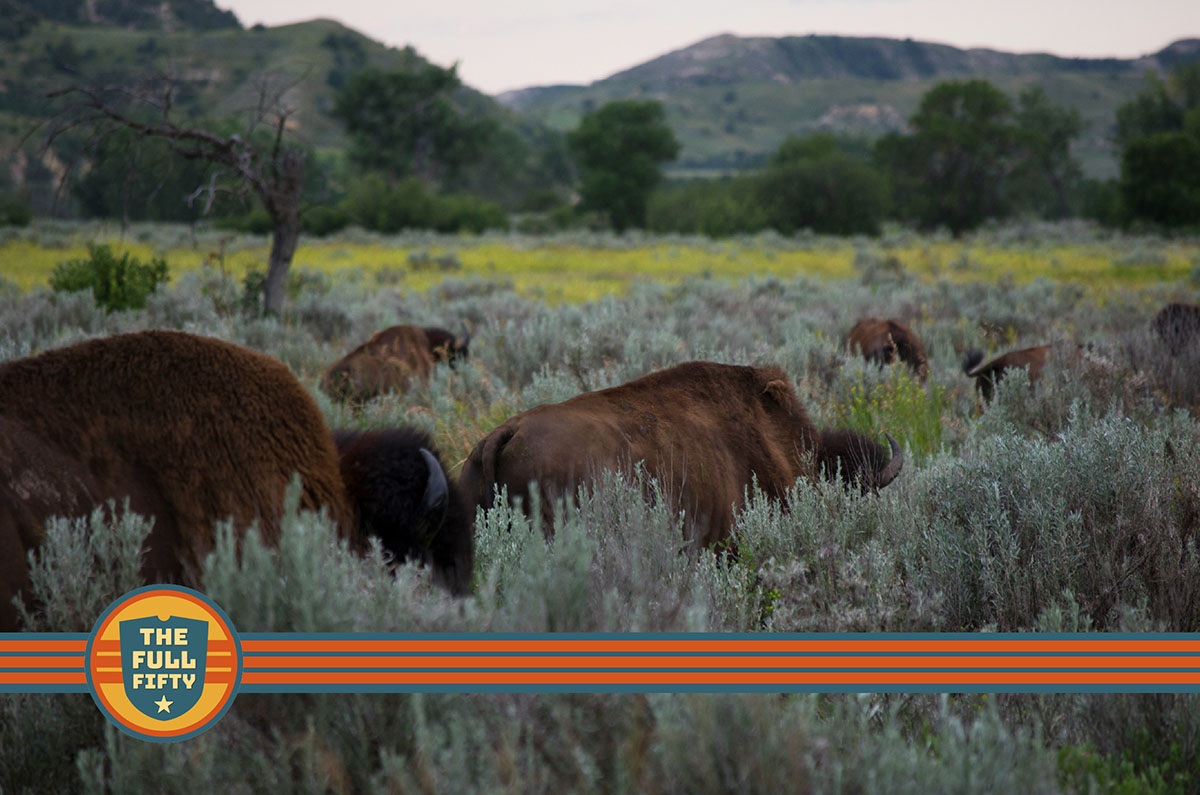
Theodore Roosevelt National Park is North Dakota’s marquee natural attraction. The park’s layered buttes, grassy hollows and sweeping plains are home to bison, elk, wild horses and prairie dogs. It is divided into three units — South, North and Elkhorn Ranch — each offering scenic drives, overlooks and well-signposted trailheads. The South Unit, accessed via Medora, contains the most dramatic viewpoints and the popular scenic loop road.
Medora is the gateway town for the South Unit and preserves cowboy-country charm: nightly musical performances at the Burning Hills Amphitheatre (summer), ranch-themed lodging and local museums make it a memorable stop. Long-distance cyclists and multi-day hikers will appreciate sections of the Maah Daah Hey Trail, which threads through the badlands and offers challenging singletrack for mountain-bikers and trekkers.
Historic Sites and Indigenous Heritage
North Dakota’s human story is deep and layered. The Knife River Indian Villages National Historic Site preserves Hidatsa and Mandan earthlodges and presents interpretive trails and exhibits that articulate centuries of Indigenous agriculture and trade along the Missouri River. To the west, Fort Union Trading Post National Historic Site interprets the fur-trade era when traders and Indigenous partners exchanged goods across the plains.
Many of these places are managed in collaboration with tribal nations; visiting respectfully and taking advantage of guided programmes, craft demonstrations and cultural events is the best way to deepen understanding of regional history and contemporary Indigenous life.
Lakes, Rivers and Outdoor Recreation
Lake country in North Dakota is more substantial than many expect. Lake Sakakawea, created by the Garrison Dam, is an immense reservoir offering marinas, boat ramps, camping and long shoreline to explore. Devils Lake in the northeast is another major recreational waterway, prized by anglers, watersports enthusiasts and photographers for its sunsets and plentiful birdlife.
The prairie pothole region and designated wildlife refuges are important for birdwatching and waterfowl migration. Anglers will find productive fisheries for walleye and perch; if you plan to fish or hunt, check licence requirements and seasonal regulations before you go.
Small Towns, Roadside Art and Festivals
A major delight of driving North Dakota is the character of its small towns and roadside installations. The Enchanted Highway near Regent is a 32-mile stretch of giant metal sculptures that makes for a playful detour and great photographs. Rugby advertises itself as the geographic centre of North America, while quiet towns such as Hettinger and Crosby have charming main streets and local museums worth a short stop.
Minot’s annual Norsk Høstfest celebrates Scandinavian culture every autumn and draws visitors for music, food and crafts. Across the state, county fairs, rodeos and powwows punctuate the calendar, offering authentic community experiences and regional cuisine.
Scenic Drives and Trails
Scenic byways and dedicated trails reward slower travel in North Dakota. The Maah Daah Hey Trail provides long-distance singletrack through the badlands; other marked routes trace river corridors, historic wagon routes and prairie landscapes. In Theodore Roosevelt National Park the North Unit scenic drive and South Unit loop both provide frequent pullouts for photography and wildlife viewing.
Because services can be sparse in remote areas, plan fuel stops, rest breaks and overnight stays in advance. Visitor centres in major towns provide up-to-date advice on road conditions, trail status and seasonal highlights.
Practical Tips for Road Trippers
North Dakota’s main airports include Hector International Airport (FAR) in Fargo, Bismarck Municipal Airport (BIS), Minot International (MOT), Grand Forks International (GFK) and Williston Basin International (XWA). European travellers typically connect through Minneapolis–Saint Paul (MSP) or Chicago O’Hare (ORD) before flying on to North Dakota. Late spring through early autumn are the most comfortable months to visit: trails are open, wildflowers bloom and festivals run through the season.
Winters can be severe with heavy snow and drifting; if you travel from late autumn to spring, check forecasts and road reports and be prepared with warm clothing, an emergency kit and extra fuel. Accommodation ranges from city hotels to guesthouses, lodges and campgrounds near parks and lakes — book ahead in peak summer and during festival weekends.
Exploring the highlights of North Dakota by car invites a slower style of travel that rewards curiosity. Whether you’re watching bison in the badlands, tracing the Missouri River, photographing giant roadside sculptures or joining a local festival, a North Dakota road trip reveals a quietly majestic and hospitable corner of the American plains.